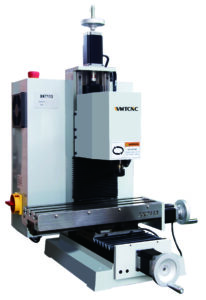
CNC-M45
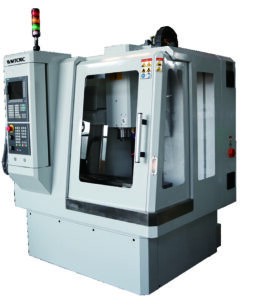
CNC-M45 CNC Milling Machine
- 1000 × 240 mm Table size
- 630/265/460 mm X/Y/Z travel
- 490/620 kg Machine weight
Conventional milling machines for workshops and production: universal, turret, vertical and horizontal models, plus combined milling and drilling machines. Each model page shows the main technical data; ask us if you need help choosing between sizes.
CNC machining centers (24) Collaborative robots (10) Conventional lathes (6) Drilling machines (5) Grinding machines (2) Hydraulic presses (2) Milling machines (17) Other machine tools (1) Sawing machines (2)
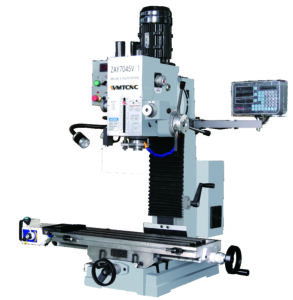
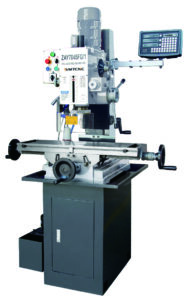
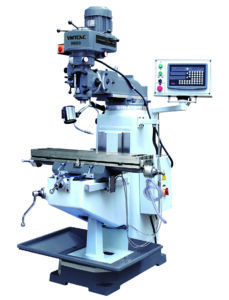
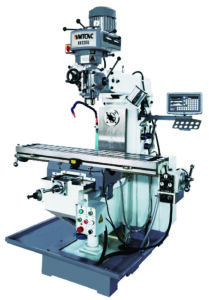
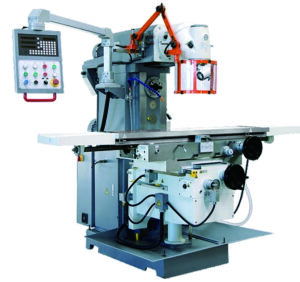
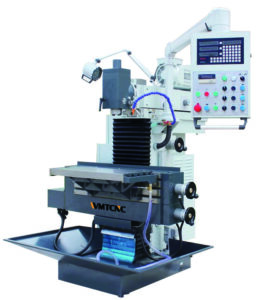
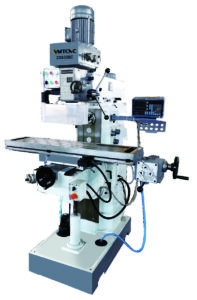
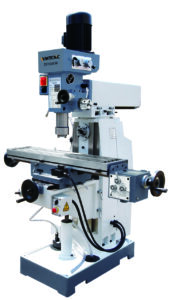
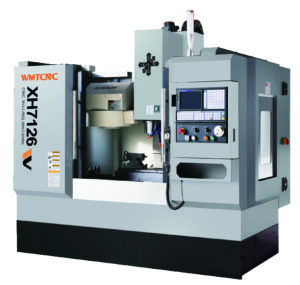
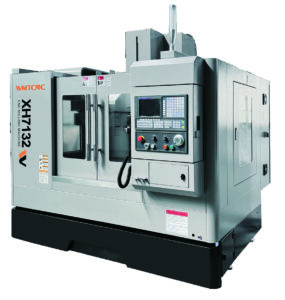
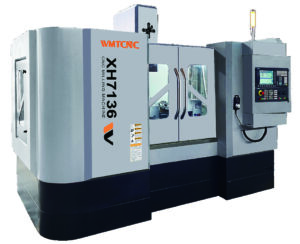
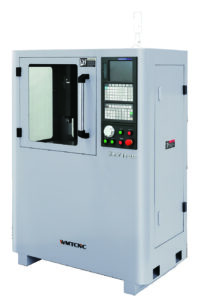
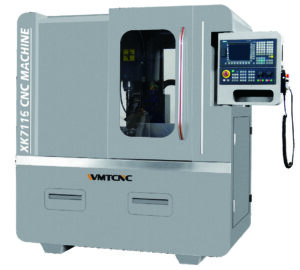
Milling machines range from manual knee mills to CNC bed-type and gantry machines. The right choice depends on part size, material, batch size and how much operator skill you can rely on.
Manual and simple digital-readout machines suit toolrooms, maintenance work and one-off parts. CNC machines pay off when you repeat parts, need consistent accuracy or want to machine complex shapes.
Compare the table size and the travels with your largest part. Check the maximum table load including the vice or fixture.
Look at the spindle taper, the speed range and the power. Heavy cuts in steel call for more torque at lower speeds, while aluminium and finishing work call for higher speed.
A rigid, heavy base with good guideways keeps accuracy under load and improves tool life. Ask about the guideway type and the machine weight.
Consider a digital readout, power feed, vice, rotary table or tool holders when you compare offers, so you compare complete packages.
A machining center is a CNC milling machine with automatic tool changing and usually an enclosed working area, built for automated production. A milling machine can also be manual or have only basic controls.
Choose CNC when you repeat parts, need consistent accuracy, or machine complex contours. Manual machines are more economical for single parts and maintenance work.
Measure your largest workpiece together with its clamping and choose a table and travels that cover it with some reserve.
A larger taper is stiffer and suits heavy cutting. A smaller taper suits lighter work at higher speed. Match it to your typical material and cut.
Yes. Send us your requirements and the models you are considering and we will prepare an offer.
request Not sure which machine suits you? Find the right machine